Why Boardman and Austintown Cape Homes Have Cold Upstairs Bedrooms
If you own a classic cape-style home in Boardman or Austintown, you've likely noticed that upstairs bedrooms feel significantly colder than the rest of your house, especially during winter months. This is not a coincidence. The architectural design of cape homes, while charming, creates specific challenges when it comes to maintaining consistent temperatures throughout the house.
Cape-style homes typically feature a second floor that is smaller than the first floor, with sloped ceilings and limited attic space above the bedrooms. This design means less insulation coverage in the areas where it matters most. Additionally, many of these homes were built decades ago when insulation standards were far less stringent than they are today. The original insulation, whether it was fiberglass batts, cellulose, or even mineral wool, has likely settled, compressed, or deteriorated over time. When insulation loses its effectiveness, warm air escapes through the roof, leaving upstairs bedrooms uncomfortably cold and your heating bills unnecessarily high.
Understanding Your Current Attic Insulation Problem
Before you can solve the cold bedroom issue, it helps to understand what is happening in your attic right now. Many homeowners in the Mahoning Valley have never actually looked at their attic insulation closely. When you do, you may discover that the existing material is compressed, wet, moldy, or simply insufficient for modern heating demands. Compressed fiberglass loses much of its insulating value because the air pockets that trap heat have been squeezed out. Cellulose insulation can absorb moisture, which further reduces its R-value and creates potential mold concerns. In cape homes with limited attic space, this problem is even more pronounced because there is less room to add additional layers of traditional insulation.
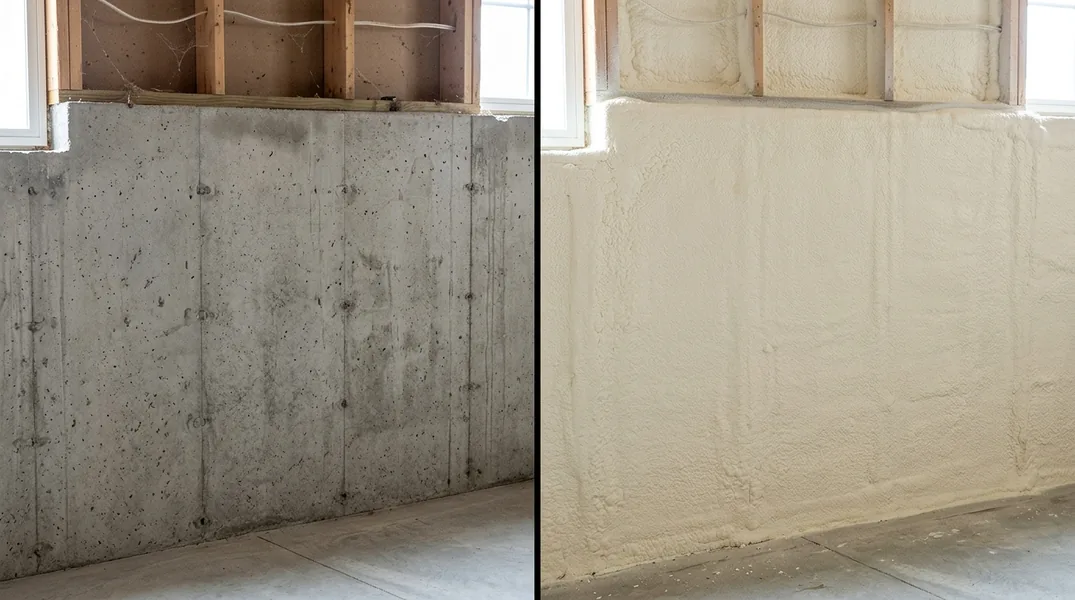
This is where Attic Spray Foam Insulation becomes a game-changer. Unlike traditional insulation materials, spray foam expands to fill every gap, crack, and cavity in your attic. It creates an air-tight seal that prevents warm air from escaping and cold air from entering. For homeowners in Youngstown dealing with the specific geometry of a cape home, this means you can achieve superior insulation performance in the tight spaces where it is needed most.
The Case for Insulation Replacement with Spray Foam
When your current insulation is failing, the question becomes whether to patch it or replace it entirely. For most cape homeowners in Boardman and Austintown, insulation replacement with spray foam is the smarter long-term investment. This is because spray foam solutions address multiple problems at once. They seal air leaks that traditional insulation cannot reach, they provide superior thermal resistance per inch of material, and they create a moisture barrier that protects your attic from humidity and condensation issues.
The process typically begins with old insulation removal. Removing the deteriorated fiberglass or cellulose is essential because it allows the spray foam to adhere properly to the attic surfaces and ensures that you are not trapping moisture or contaminants beneath the new material. Once the attic is cleared and cleaned, the spray foam is applied in a controlled manner to create an even, continuous thermal barrier. The expansion of the foam fills every corner, including the tight spaces under the eaves where cape homes lose the most heat.
Closed Cell vs. Open Cell Spray Foam for Your Cape Home
When choosing a spray foam solution for your attic, you will encounter two main options: closed cell and open cell. Closed Cell Spray Foam Insulation is denser and offers a higher R-value per inch, making it ideal for attics with limited space like those found in cape homes. It also provides superior air sealing and acts as a moisture barrier, which is particularly valuable in older homes that may have humidity issues. Closed cell foam is more expensive, but the performance advantages often justify the investment, especially in a climate like ours where winter heating costs are significant.
Open Cell Spray Foam Insulation is lighter, more flexible, and less expensive. It still provides excellent insulation and air sealing, though with a slightly lower R-value per inch. Open cell foam is also vapor permeable, which some homeowners prefer because it allows the attic to breathe. The choice between the two depends on your specific attic conditions, your budget, and your long-term goals. A professional assessment from Youngstown Spray Foam Insulation can help you determine which option is right for your home.
Attic Spray Foam Insulation Cost in Youngstown: What to Budget
Cost is naturally a consideration when planning any home improvement project. The pricing for attic spray foam insulation varies based on several factors: the size of your attic, the R-value you are targeting, whether you choose closed cell or open cell foam, and the condition of your existing insulation. Homes with extensive old insulation that requires removal will have higher labor costs than homes where the attic is already partially cleared. Cape homes in Boardman and Austintown typically have smaller attic spaces than ranch or colonial homes, which can actually work in your favor when it comes to total project cost.
While spray foam insulation represents a larger upfront investment than traditional fiberglass batts, the long-term savings are substantial. Homeowners consistently report heating bill reductions of 15 to 30 percent after upgrading to spray foam insulation. Over a 10 to 15 year period, these savings easily exceed the initial installation cost. Additionally, improved comfort in your upstairs bedrooms means you may not need to run your heating system as hard, further reducing energy consumption. To get an accurate estimate for your specific home, contact Youngstown Spray Foam Insulation at (330) 406-5409 or request a free estimate online. A professional can assess your attic and provide a detailed breakdown of costs and expected savings.
Getting Started with Your Attic Spray Foam Insulation Project
If you are ready to stop dealing with cold upstairs bedrooms and high heating bills, the first step is a professional attic evaluation. During this assessment, a technician will examine your current insulation, identify air leaks, check for moisture or mold issues, and measure your attic space. This information allows them to recommend the right spray foam solution and provide accurate pricing for your project. For homeowners in Youngstown, Boardman, and Austintown, this evaluation is an investment in understanding exactly what your home needs.
The installation process itself is relatively quick. Most residential attic projects can be completed in one to two days. Once the spray foam is applied and cured, you will immediately notice the difference in temperature consistency throughout your home. Your upstairs bedrooms will be warmer in winter and cooler in summer, and your HVAC system will operate more efficiently. If you are ready to transform your cape home's comfort level, reach out to Youngstown Spray Foam Insulation today at (330) 406-5409 or fill out a contact form to schedule your free estimate. Let us help you reclaim the comfort and energy efficiency your home deserves.
Looking for a professional spray foam insulation contractor in Youngstown? Youngstown Spray Foam Insulation responds fast for all your spray foam insulation needs.
Get a Free Quote